
The Truth About "Core Strength": Why Your Six-Pack Isn’t Saving Your Back
If I had a pound for every time a new client told me, “I just need to work on my core strength,” I’d have retired to a cottage in the Cotswolds years ago. Usually, when people say this, they’re thinking about two things: a flat stomach or the ability to survive a three-minute plank.
However, I have to let you in on a secret: Your “six-pack” is not your core. In fact, obsessively training your visible abdominal muscles—the rectus abdominis—without understanding the deeper mechanics of the trunk can actually make your movement worse, increase your risk of back pain, and create a "rigid" rather than a "stable" spine.
The Anatomy of an Apple: Understanding the 360-Degree Cylinder
To understand the core, we have to stop looking at it as a flat panel of muscles on the front of the body. Instead, imagine your midsection as a pressurised cylinder.
The Top (The Lid): Your Diaphragm. This is your primary breathing muscle. If you can’t breathe properly, you can’t stabilise properly.
The Bottom (The Base): Your Pelvic Floor. This provides the internal support from below.
The Back: The multifidus (tiny muscles between your vertebrae) and the erector spinae.
The Sides/Front (The Walls): Your obliques and the deep transversus abdominis (TVA).
True "core strength" is the ability of this entire cylinder to manage internal pressure and stabilise your spine while your limbs are moving. It’s not about how many crunches you can do; it’s about anticipation. A functional core fires milliseconds before you lift a heavy bag of shopping or reach for a tin in a high kitchen cupboard. If that timing is off, the "load" of that movement goes straight into your joints instead of being absorbed by your muscles.
Why "Sucking In" is Ruining Your Movement
One of the most persistent myths in fitness is the cue to "pull your belly button to your spine." This is often called "hollowing." While it might make your waist look slightly smaller for a photo, it is a biomechanical disaster for actual movement.
When you suck in, you are essentially collapsing the "air cushion" that protects your spine. You’re narrowing the base of your cylinder. If you do this while trying to lift something heavy—like a suitcase or a toddler—you actually decrease the stability of your spine.
Instead of hollowing, we want Intra-Abdominal Pressure (IAP).
Imagine someone is about to poke you in the ribs unexpectedly. You wouldn't suck in; you would stiffen outward in all directions—front, back, and sides. This is called Bracing. It creates a rigid, pressurised canister that protects your discs and allows power to transfer efficiently from your legs to your upper body. Without IAP, your spine is like a stack of wet noodles; with it, it’s a solid pillar.
The Plank Paradox: From Static to Dynamic
The plank is the "gold standard" of core exercises in most UK leisure centres. Don't get me wrong—it’s a great starting point for teaching "anti-extension" (preventing your back from arching). But unless your job involves lying perfectly still on the floor while people try to push you over, it has limited "carry-over" to real life.
Real-world core strength is dynamic. In the wild (or the supermarket), your core doesn't just hold still; it reacts to changing forces. It manages "anti-rotation" when you carry a heavy holdall in one hand, and it manages "anti-lateral flexion" when you're walking on uneven pavement.
If you can hold a plank for two minutes but your back hurts when you're carrying the hoover upstairs or swinging a golf club, your core isn't "weak"—it’s uncoordinated. It doesn't know how to move and stabilise at the same time.
How to Actually Train Your Core for Longevity
To build a core that actually supports your life, we need to move away from the floor and into functional patterns. Here are the three categories of movement that offer more "value for money" than any sit-up ever could:
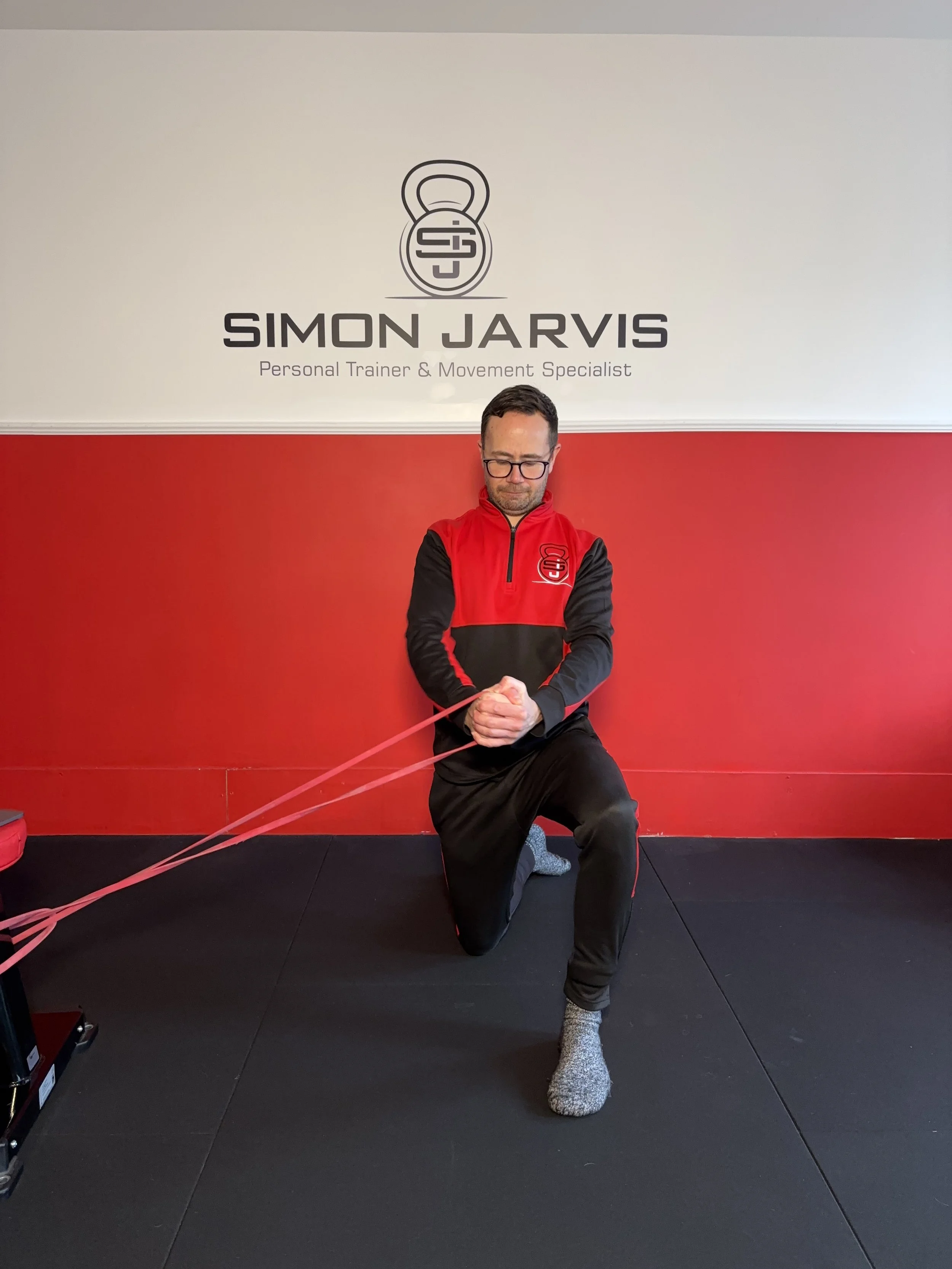
1. Anti-Rotation (The Pallof Press)
This involves resisting a force that is trying to twist you. When you're putting a car seat into a vehicle or opening a heavy fire door, you need anti-rotational strength to keep your spine from "shearing."
Try this: Hold a resistance band at chest height, anchored to a door frame. Push the band straight out in front of you. The band will try to pull you toward the anchor; your job is to stay perfectly centred.
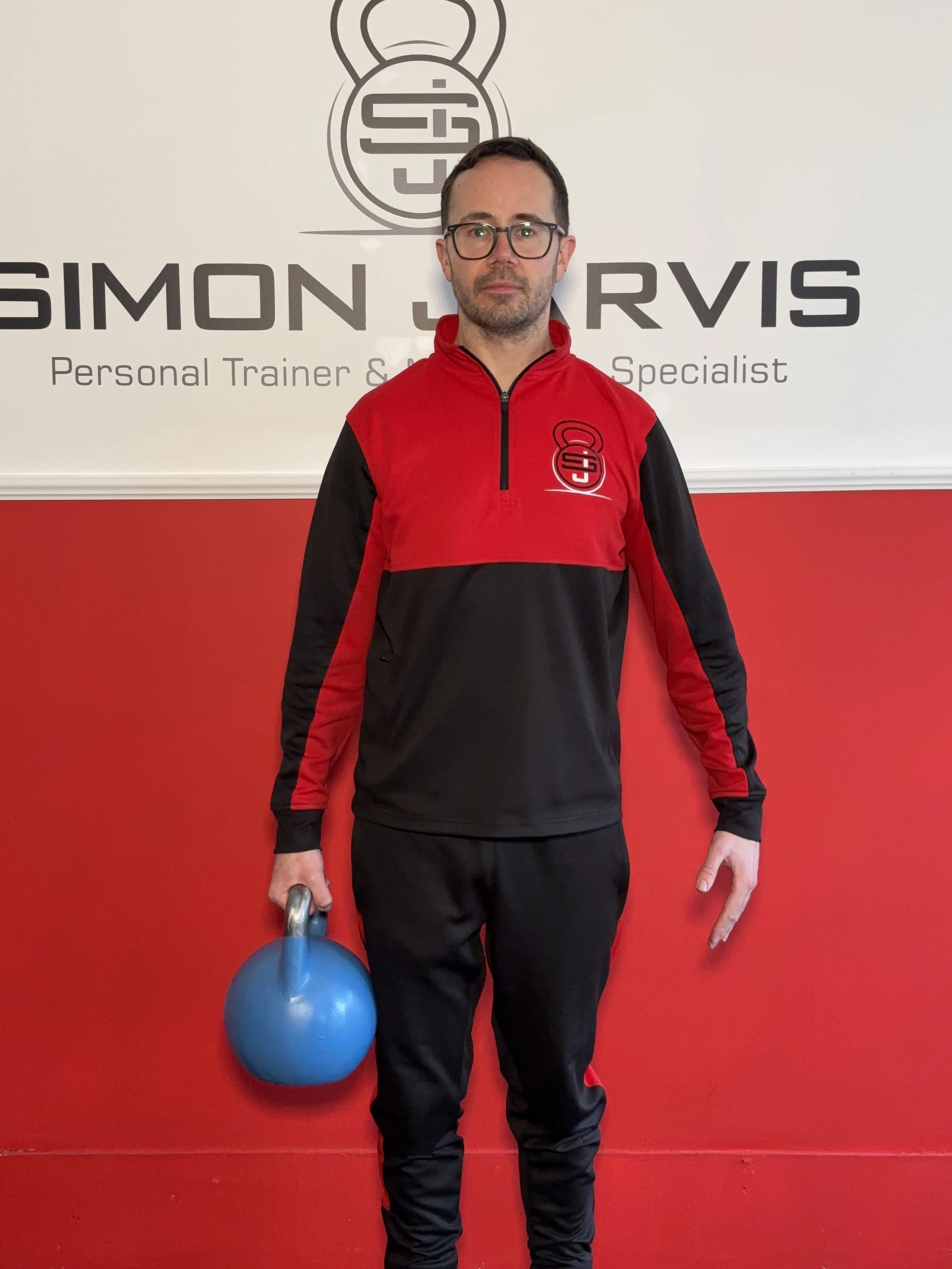
2. Anti-Lateral Flexion (The Loaded Carry)
This is the "Farmer’s Carry." Pick up something heavy—a kettlebell, a dumbbell, or a heavy bag of compost—in just one hand. Now, walk for 40 steps without letting the weight pull your shoulder down or your hips to the side. Your "side core" (obliques and QL) has to work overtime to keep you upright.
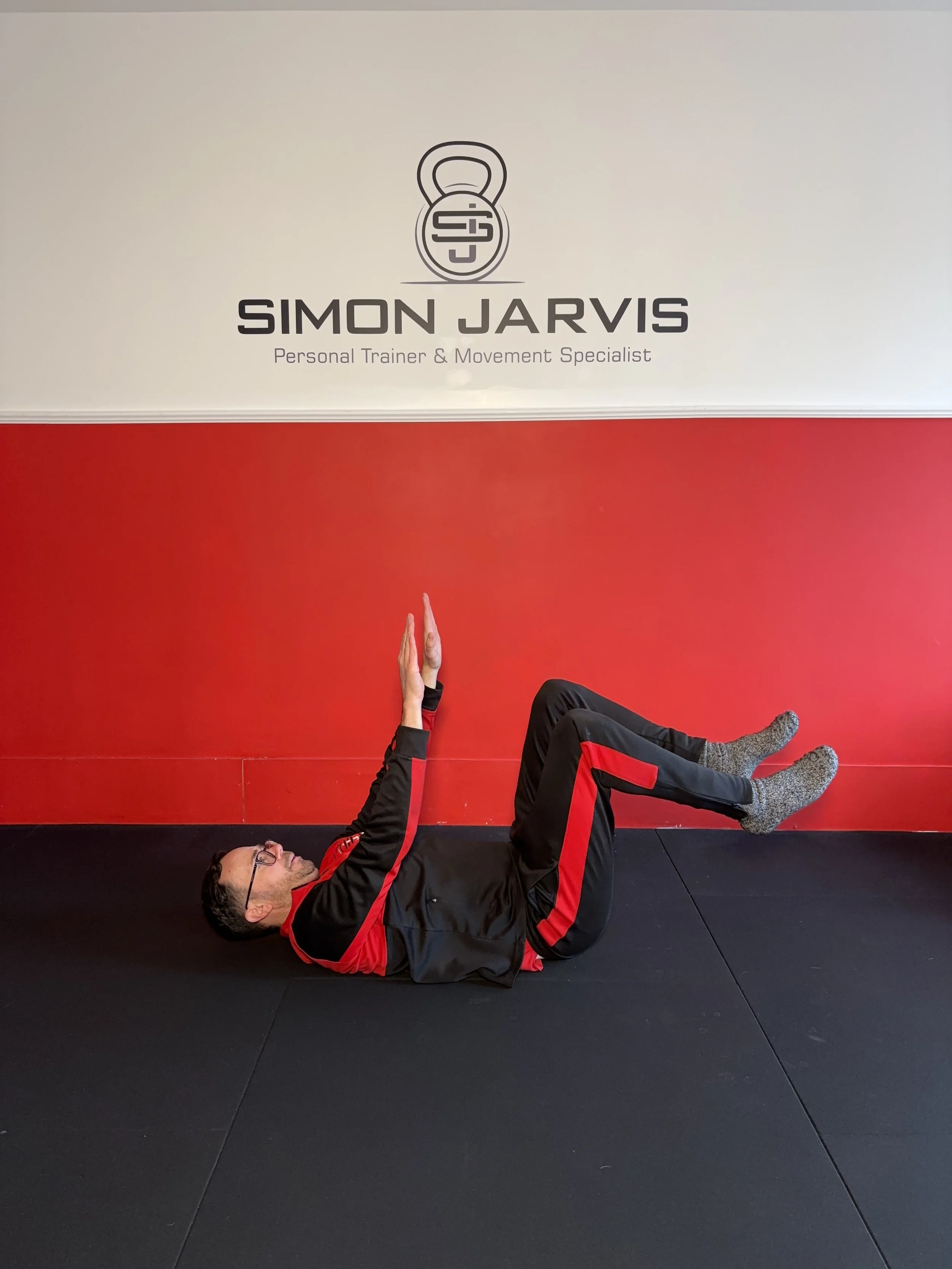
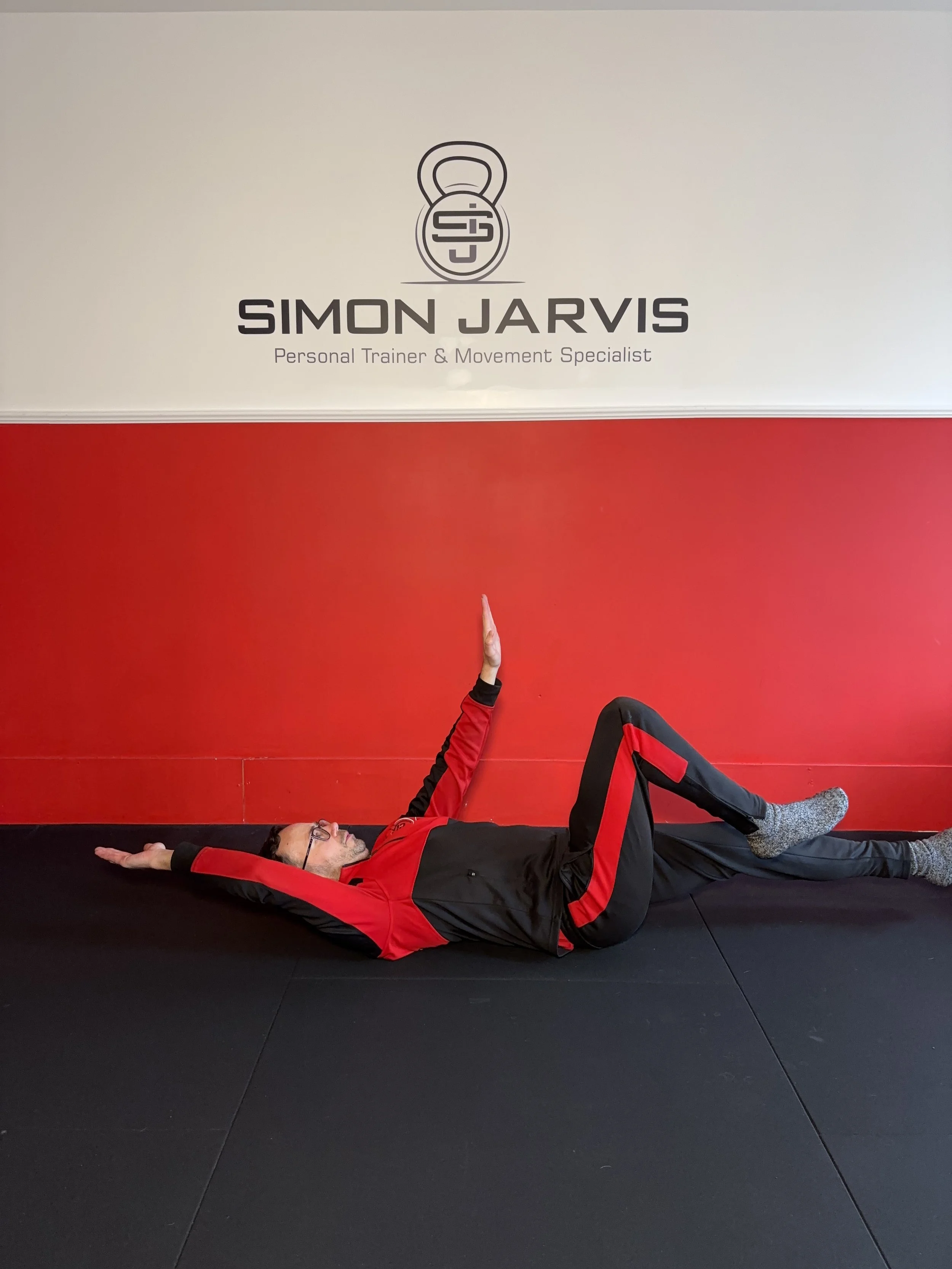
3. Dissociation (The Dead Bug)
This is the ultimate test of coordination. Lie on your back and move your opposite arm and leg while keeping your lower back "heavy" against the floor. This teaches your brain how to move your hips and shoulders independently of your spine. This is the foundation of walking, running, and swimming.
The Bottom Line: Quiet Strength
Stop chasing the "burn" in your abs. A burning sensation in your muscles usually just means you’re fatiguing the superficial fibres. A truly strong core is often quiet. You don’t "feel" it working because it’s doing its job perfectly—stabilising your centre so that your arms and legs can move with power and grace.
When you stop training for aesthetics and start training for spine hygiene and pressure management, your back pain often disappears, your posture improves, and you feel lighter on your feet.
Your core isn't a trophy to be displayed; it’s the engine room of your entire body. Treat it with the respect it deserves.
Q&A: Clearing Up the Confusion
Q: Will these exercises give me a six-pack? A: A six-pack is largely a result of body fat percentage and genetics. However, functional core training builds "density" in the midsection. You might not see the "bricks," but you will see a leaner, tighter waistline because your muscles are actually holding your internal organs in place more efficiently!
Q: My back hurts when I do core exercises. Should I push through? A: Absolutely not. Pain in the lower back during core work is a "check engine light." It usually means your deep stabilisers have "quit" and your back muscles are trying to do the work for them. Simplify the exercise. If a full plank hurts, try a plank on your knees or a dead bug.
Q: How often should I train my core? A: Since the core's job is to stabilise you all day long, it’s built for endurance. You can do "movement snacks" (like 2 minutes of bracing or dead bugs) every single day as part of your morning routine or at your desk.